


The electric revolution has already begun.
Electric transportation is no longer a dream of the future — it has become a modern reality that is evolving every day. By 2025, according to forecasts from leading global brands, more than 30% of new cars will be electric, with increased energy efficiency and improved battery technologies being the main drivers of this transformation.
In Georgia, owning an electric car is no longer a hassle, but a comfortable and rational decision.
Development of element technologies
The battery is the “heart” of any electric vehicle. This is where the greatest technological advancements are taking place.
– Solid-State Batteries – A new generation of batteries that use a solid electrolyte instead of a liquid one. They provide greater energy density, less weight, and faster charging. For example, BYD is already preparing the next step of the Blade Battery for mass production – the Solid Blade, which will be safer and more durable.
– Blade Battery efficiency – This technology has already proven itself as the most reliable system on the market. Its advantages are high durability, low temperature resistance and complete immunity to fire.
– Regenerative braking – New generation models, including the BYD Seal and Sea Lion 7, use an energy recovery system that returns energy to the battery during braking. As a result, throughput increases and energy loss decreases.
Artificial Intelligence and Management Automation
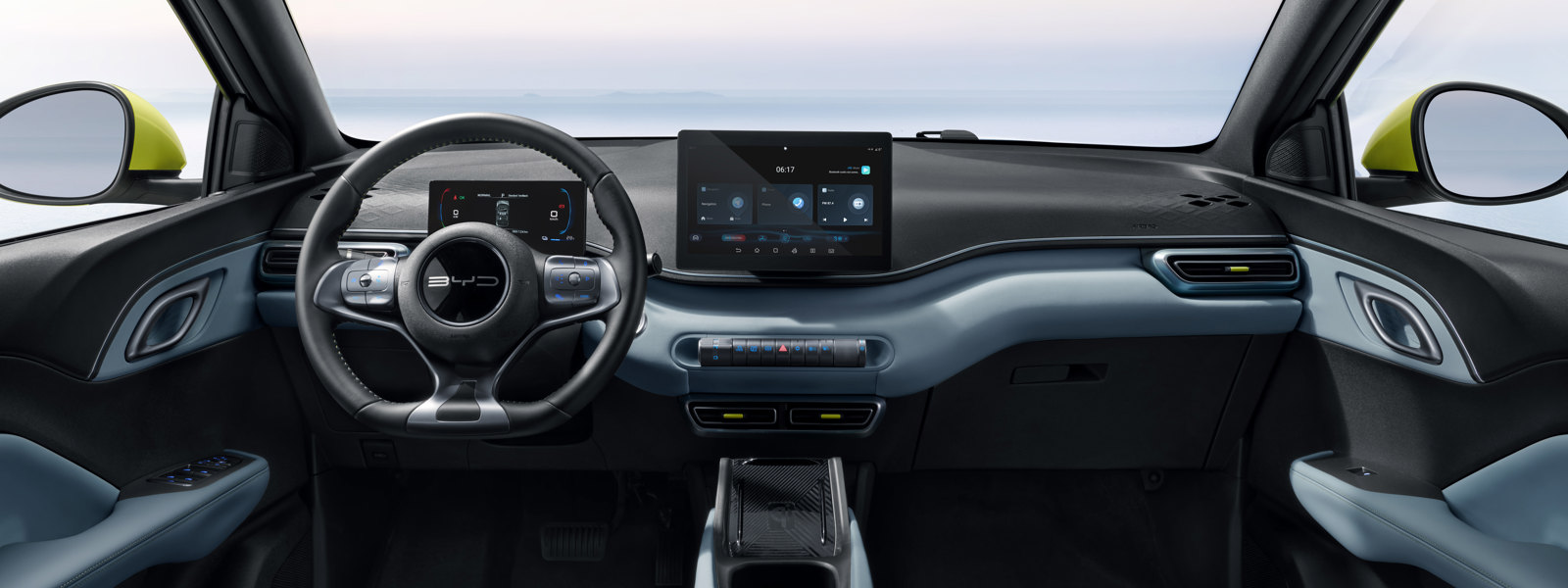
The main direction of EV technology today is AI integration – a car that learns your driving style.
– AI driving assistants monitor distance, lane departure, and traffic dynamics. – The car optimizes energy — monitors the road, traffic, and reduces energy waste. – A fully integrated “smart” system (e.g. BYD DiPilot) creates the feeling that the car senses the road ahead of you while driving.
The future is already being created with these technologies: fully autonomous driving modules, voice control, and vehicle-to-vehicle communication on the road (V2X – Vehicle to Everything).
Charging infrastructure and fast energy
A network of fast chargers is a cornerstone of the development of electric transportation.
– Modern DC chargers already provide 80% charging in 20–25 minutes. – The Megawatt Charging System (MCS) is being developed worldwide — a system that will make it possible to charge electric vehicles in minutes. – The number of public chargers is already increasing in Georgia, which simplifies the daily use of electric transport. E-motions actively supports this process, offering customers charger selection and installation support for both home and office environments.
Energy efficiency and environmental impact
New EV technologies significantly reduce energy loss and create a more sustainable ecosystem. Using an electric car reduces CO₂ emissions by around 70% compared to traditional petrol cars.
In addition, manufacturers are actively using recycled materials — from interior textiles to battery cells. BYD, Tesla, and Volkswagen are already implementing a fully ecological production cycle.
The Sea Lion 7 uses a fully electronic platform, which means not only silence and environmental friendliness, but also stable handling and high off-road ability.
Future prospects
In 2025–2030, it is expected that: – Battery energy capacity will double – Charging time will be reduced to 10 minutes
– Vehicle to Home (V2H) energy sharing – using a vehicle as a mobile energy source
This means that in the near future, your electric car will no longer be just transportation — it will be your energy generator, a system integrated with your home.
Technology that reduces emissions and enhances the experience
The technological revolution in electric transportation is already underway — batteries are becoming more powerful, charging is faster, and driving is smarter. This is not just a change in cars; it is an improvement in the quality of life, where energy efficiency and ecology are in harmony with each other.
Explore the latest EV technologies at e-motions and discover how innovation is changing the way you drive.